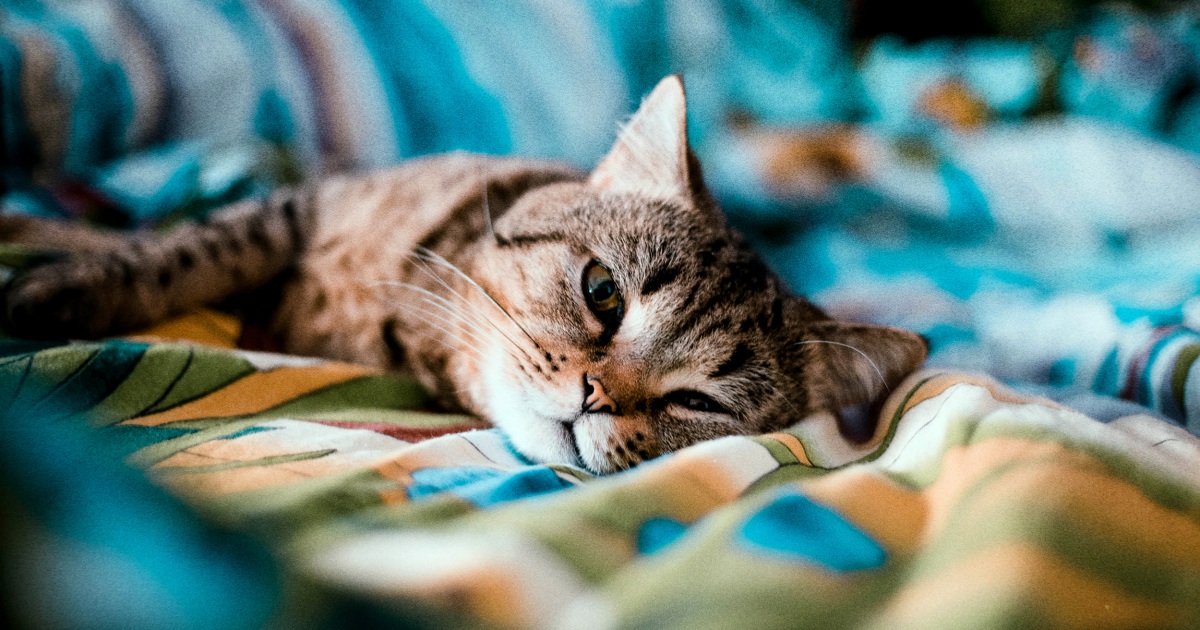
Animal felines and canines are a lot more most likely to contract Covid-19 than their roaming peers– and felines are more prone to the infection than their canine equivalents, brand-new research study recommends.
In the brand-new research study, scientists at the University of Guelph in Ontario checked 48 felines and 54 pet dogs from 77 various homes that had a favorable Covid-19 case in the previous 9 months. They compared the outcomes to those of 75 pet dogs and felines residing in an animal shelter and 75 roaming felines that had actually been seen at an inexpensive veterinary center. The initial findings, which have actually not yet been released in a peer-reviewed journal, will exist at the European Congress of Scientific Microbiology and Contagious Illness in July.
Complete protection of the coronavirus break out
Almost 70 percent of family pet felines and more than 40 percent of animal canines evaluated favorable for antibodies, compared to simply under 10 percent of pet dogs and felines from the animal shelter. That number diminished to 3 percent for the roaming felines. Most of cases were moderate, and just 20 percent of pets and 30 percent of felines had signs. Pet dogs mainly had anorexia nervosa and sluggishness, while felines displayed runny noses and had trouble breathing.
The scientists likewise discovered that the quantity of time a family pet owner invested with their pet dog did not have an impact on the family pet’s possibility of getting Covid-19, however that was not the case for felines. The more time felines invested with their human buddies, the most likely they were to be contaminated. In specific, felines who slept on their owner’s bed had a greater danger of infection.
It’s still uncertain exactly why felines are most likely to contract Covid-19 than canines, however some research study has actually recommended that felines have a greater capability for the infection to grow in their cells than pets or perhaps laboratory mice, making them more prone.
” It might be something as basic as many canines have long noses, or the infection does not bind also to the receptor in pets’ cells, or something with the body immune system,” stated Sue VandeWoude, university identified teacher at the Colorado State University College of Veterinary Medication and Biomedical Sciences, who was not included with the brand-new research study.
Considering that the most likely path of infection is from human to animal, not the other method around, animal owners should not fret about getting Covid-19 from their animals, stated Dorothee Bienzle, a teacher of veterinary pathology at the University of Guelph and co-author of the research study.
Undoubtedly, a 2nd research study, likewise existing at the clinical conference in July, concluded that people most likely contaminate their animals. That research study, from scientists at Utrecht University in the Netherlands, took a look at 311 felines and pet dogs in 196 families with a Covid-19- favorable individual. Simply under 1 in 5 family pets checked favorable for antibodies, and a little handful– 6 felines and 7 pets– had a favorable PCR test, indicating they had an active infection.
Download the NBC News app for complete protection of the coronavirus break out
Individuals who have Covid-19 must take actions to secure their family pets, Bienzle stated. That implies using a mask and preventing contact with their felines and pets as much as possible.
” At this moment, we ought to presume that if we get contaminated, that our family pets are prone, too, and they must be dealt with as any other family member,” she stated.
According to VandeWoude, 2 concerns stay: Can animals contaminate individuals who have actually not yet been contaminated, and if they do, will the infection mutate, as it did in 2015 in a mink farm in Denmark
Anomalies are most likely to take place when an infection is quickly sent in between numerous hosts, such as in farmed or wild animal populations or human beings residing in largely inhabited cities. Transfers in between one family pet and one human, on the other hand, are less of an issue.
” Still, anytime there is a spillover occasion, from animals to individuals, there is constantly threat of it ending up being more virulent, so it’s something we require to bear in mind,” VandeWoude stated.
Follow NBC HEALTH on Twitter & Facebook
Kaitlin Sullivan
Kaitlin Sullivan is a factor for NBCNews.com who has actually dealt with NBC News Investigations. She reports on health, science and the environment and is a graduate of the Craig Newmark Graduate School of Journalism at City University of New York City.




No comments:
Post a Comment